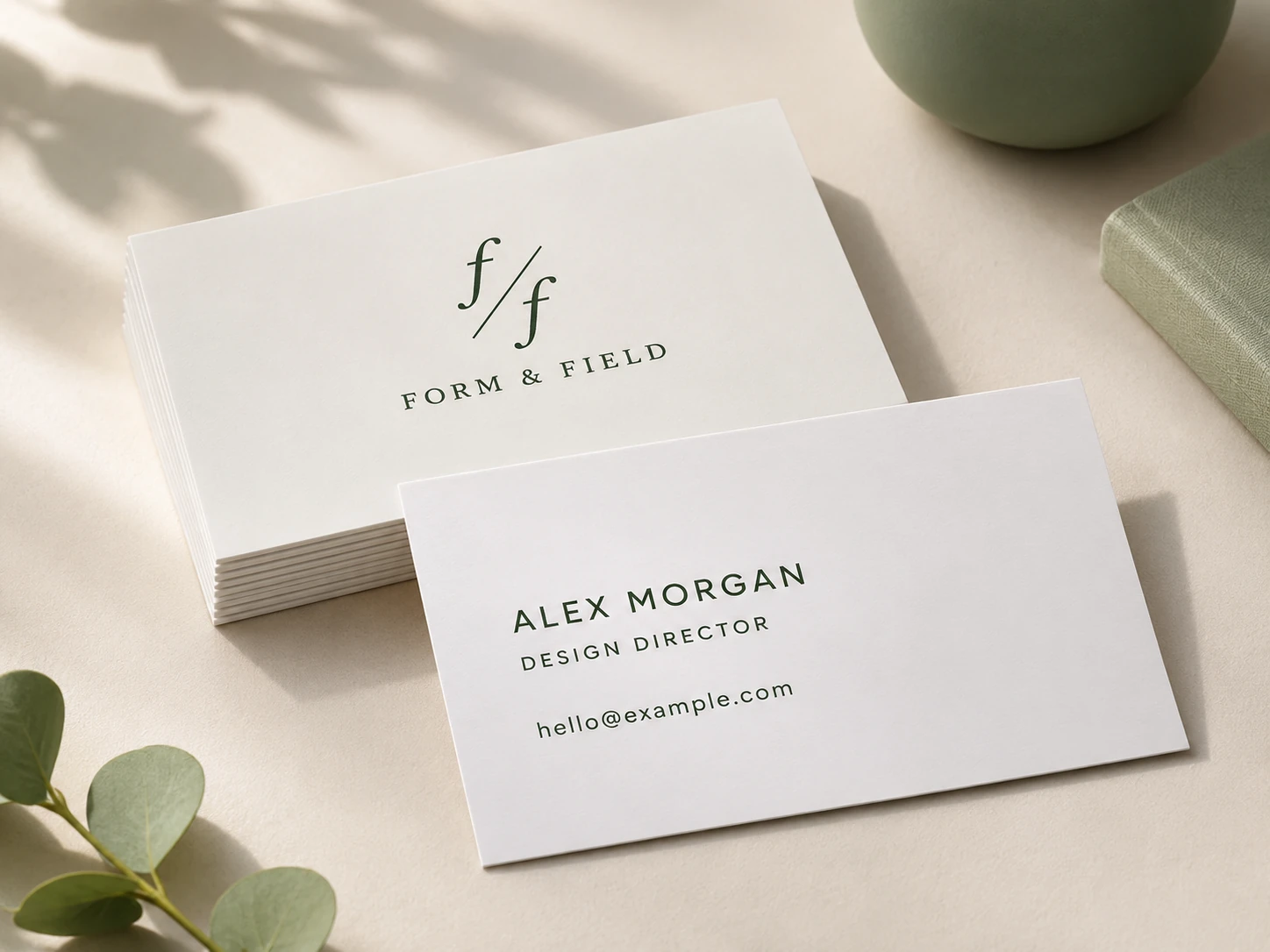
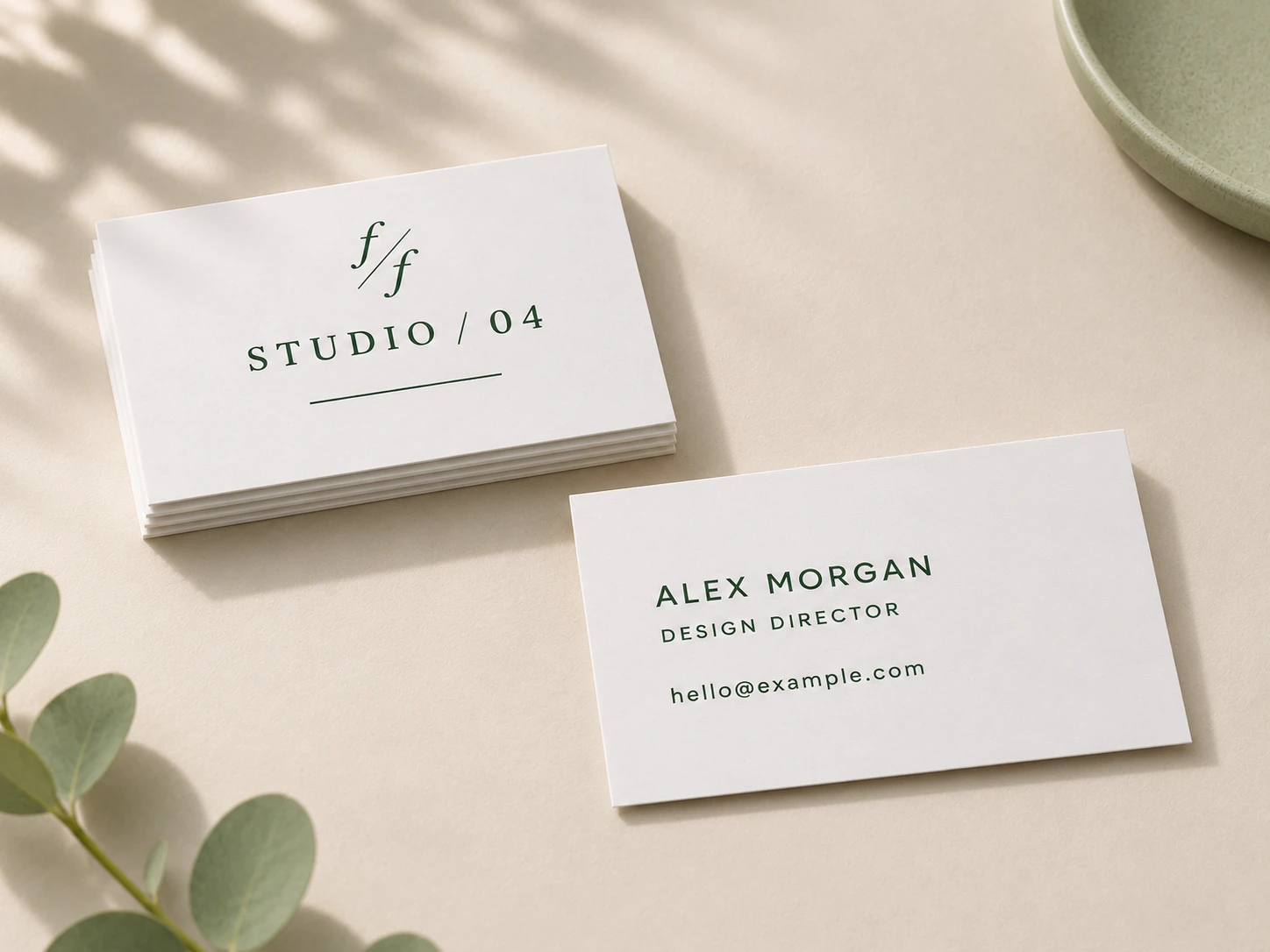
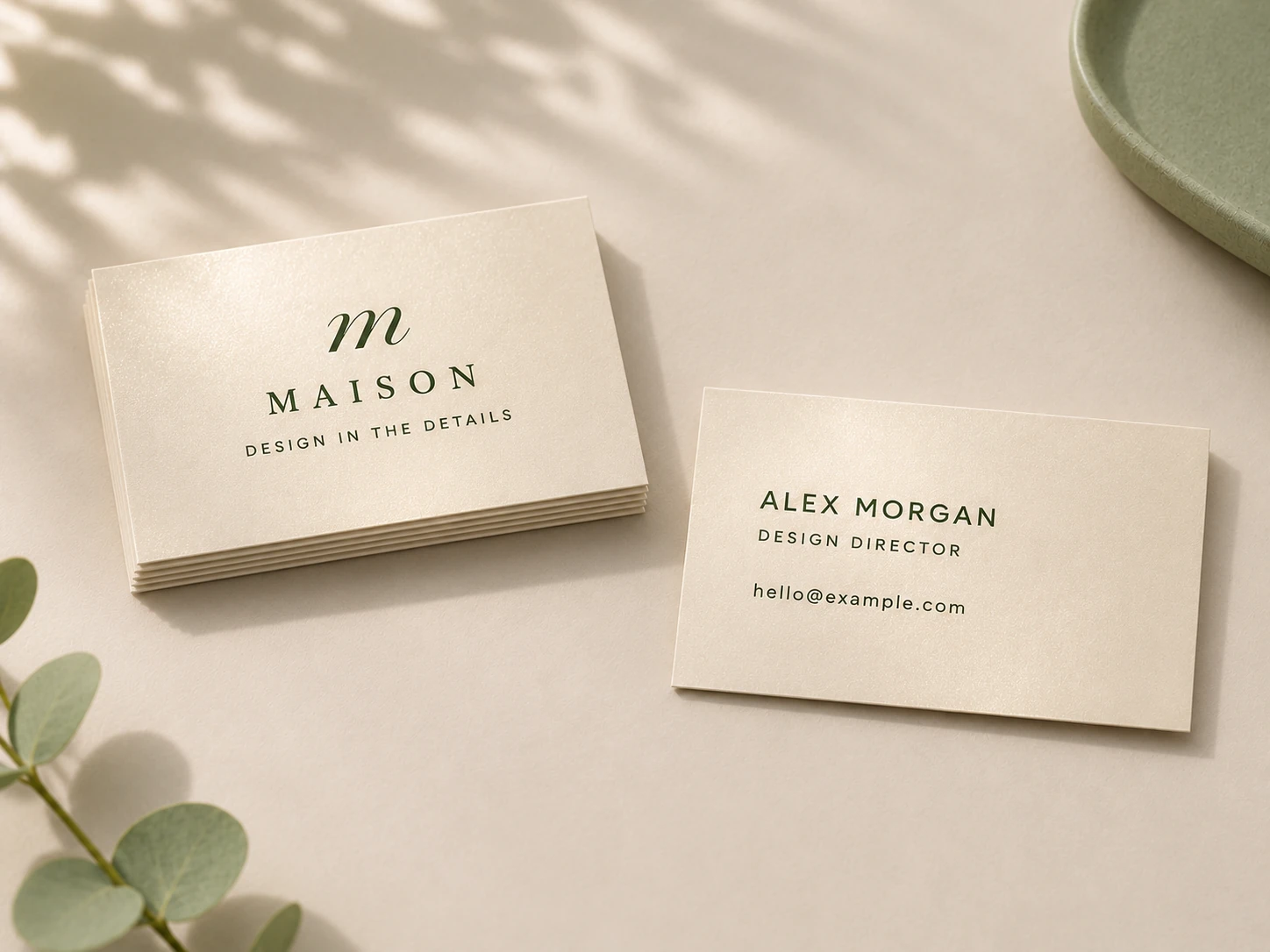
Build a Business Stationery Set That Works Together
Connect the name card, letterhead and presentation folder through a practical design system, without making every piece identical.
Start with the documents your team actually uses
A useful stationery set begins with the workflow, not a long shopping list. Identify the printed pieces people regularly hand over, post, file or carry into meetings. A consultancy may need name cards, letterheads and a proposal folder. A field-service business may place more emphasis on numbered invoice or receipt sets.
List the purpose, typical quantity and person responsible for each item. This helps distinguish an everyday requirement from something that only looks attractive in a brand presentation. Build the core set first, then add formats when there is a clear use for them.
Share a visual system, not an identical layout
Keep the approved logo, colour references and typography consistent, while allowing the format to do its job. A name card needs a compact hierarchy. A letterhead needs room for correspondence. A folder needs a clear outside and a useful arrangement of pockets or inserts. Scaling one layout up and down rarely solves all three.
Choose shared details such as a margin, a small rule or a restrained accent colour. Use them with enough flexibility that the result remains functional. Review the pieces together, but also assess each one independently in the situation where it will be used.
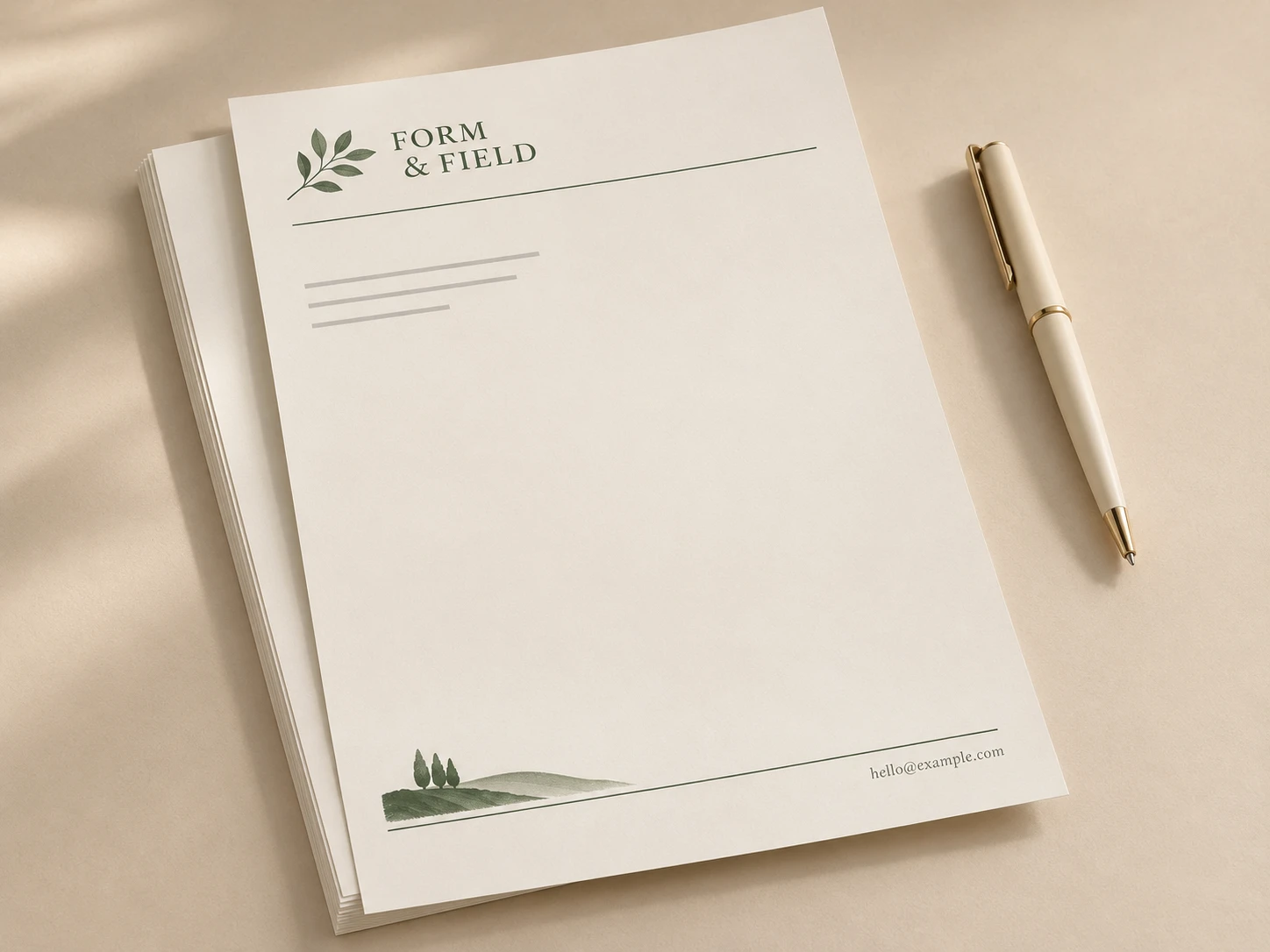
Give the letterhead room to be a letter
A letterhead carries the identity while the correspondence remains the main content. Keep the header and footer proportionate, and allow a clear writing area. Consider how long addresses, multiple pages and signatures will fit before approving the printed sheet.
Tell the print team whether the finished letterheads will be overprinted in an office laser or inkjet printer. The selected stock and production should be assessed for that use. Test the document template alongside the print design so that staff do not have to adjust margins manually for every letter. A coordinated system should make routine work easier.
Design folders around what goes inside
A presentation folder is useful when it organises a real group of documents. Specify the insert size, approximate contents, pocket arrangement and whether a name-card slot is required. These details should be settled before artwork is built around a cutting template.
Think about the order in which the recipient will open the pack. A proposal, price sheet and contact card may need a clear sequence rather than several loose inserts. Keep the folder cover focused and let the contents provide the detail. Ask for the confirmed folder layout before placing important artwork near folds, pockets or cut areas.
Treat business forms as working tools
Invoice and receipt books need practical information before decorative styling. Specify copies per set, sets per book or pad, paper colours, binding edge and any numbering sequence. Provide a current sample if the new form should follow an established process.
Review the fields with the staff who will complete them. A narrow writing area or an ambiguous label can become an everyday inconvenience even when the branding is neat. Confirm the required business information separately from the visual design, and check the exact numbering instructions before production. A consistent logo is useful, but it cannot replace a form that fits the task.
Create a small reorder record
Keep an approved file and specification for every item in the set. Record the stock, dimensions, printed sides, finishing and any office-use requirement. Include the person who can approve changes, especially when several departments order independently.
Before reprinting, check the company details and whether the document still serves the same purpose. A changed website, address or form process may affect several items at once. Request a quotation with the current specifications and quantities rather than assuming that last year's file remains current. The most useful stationery system looks related, works in daily use and is straightforward for the next colleague to maintain.